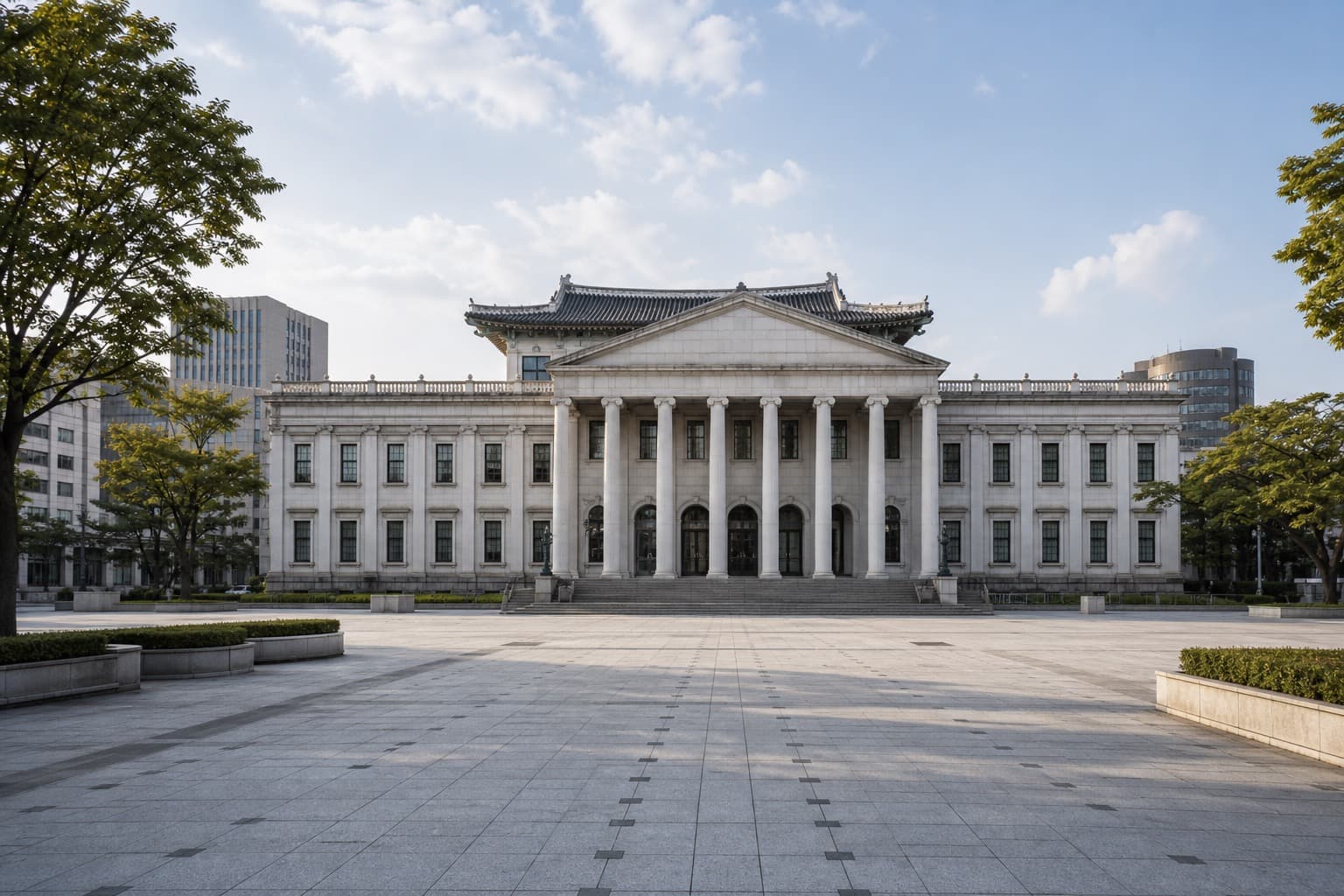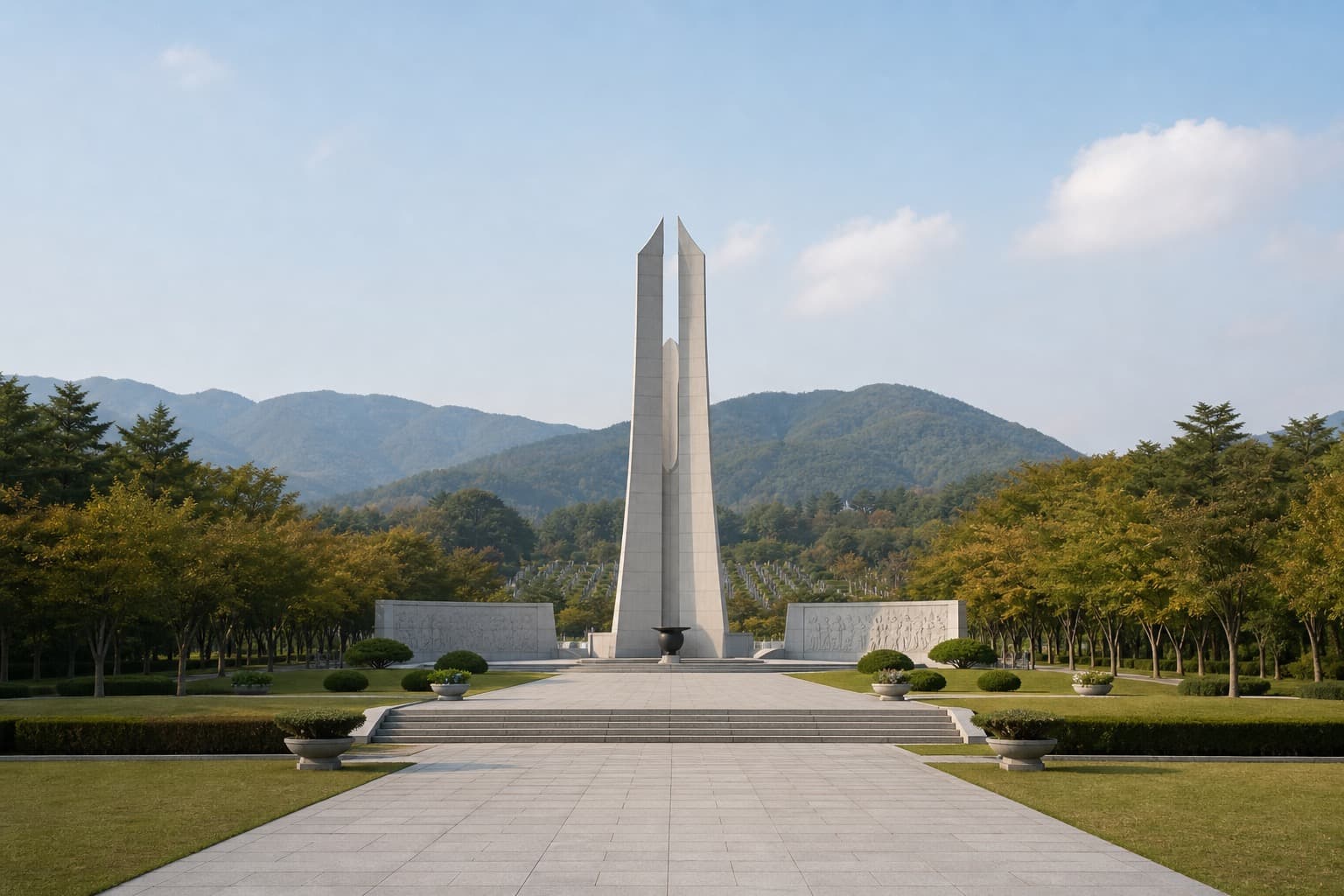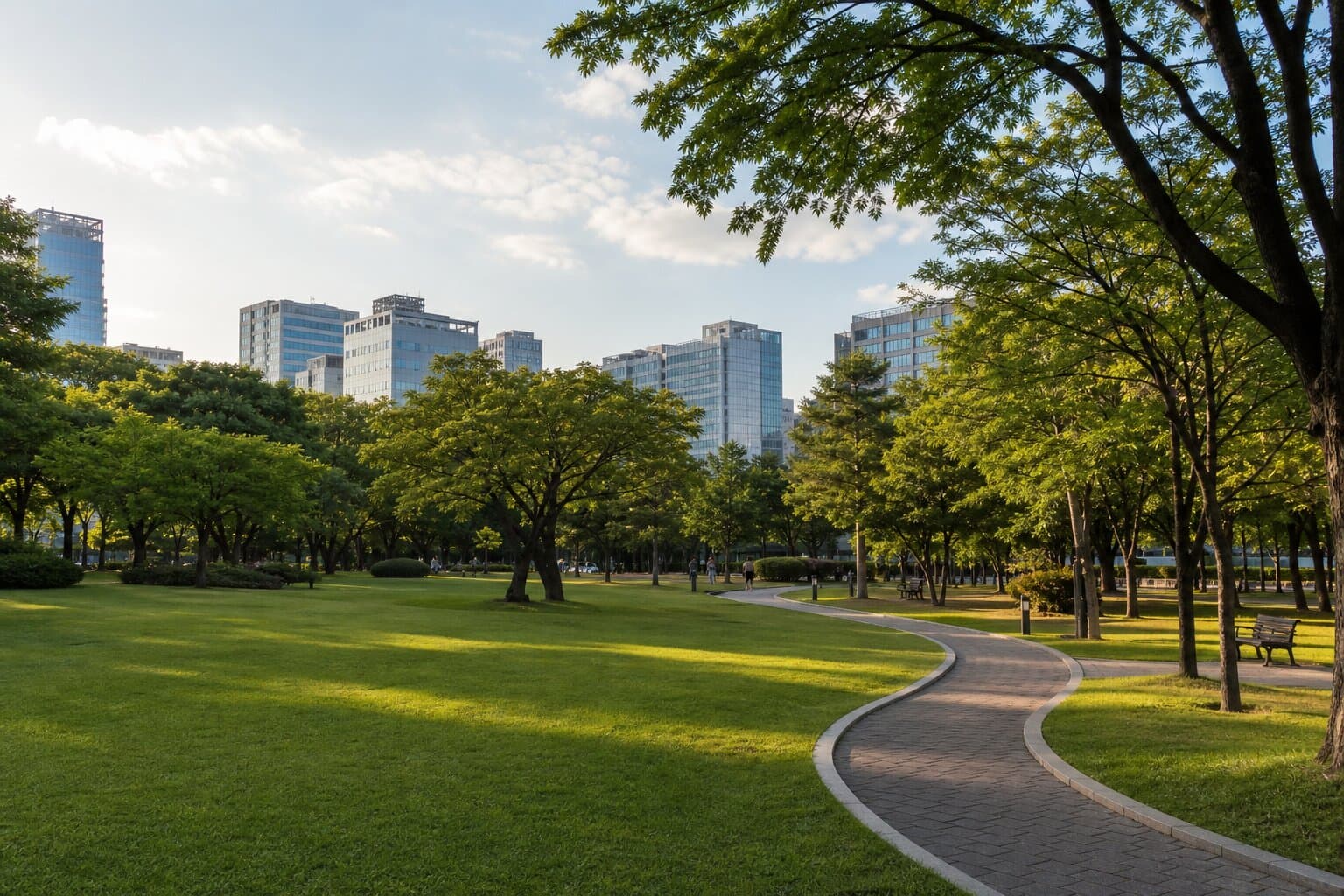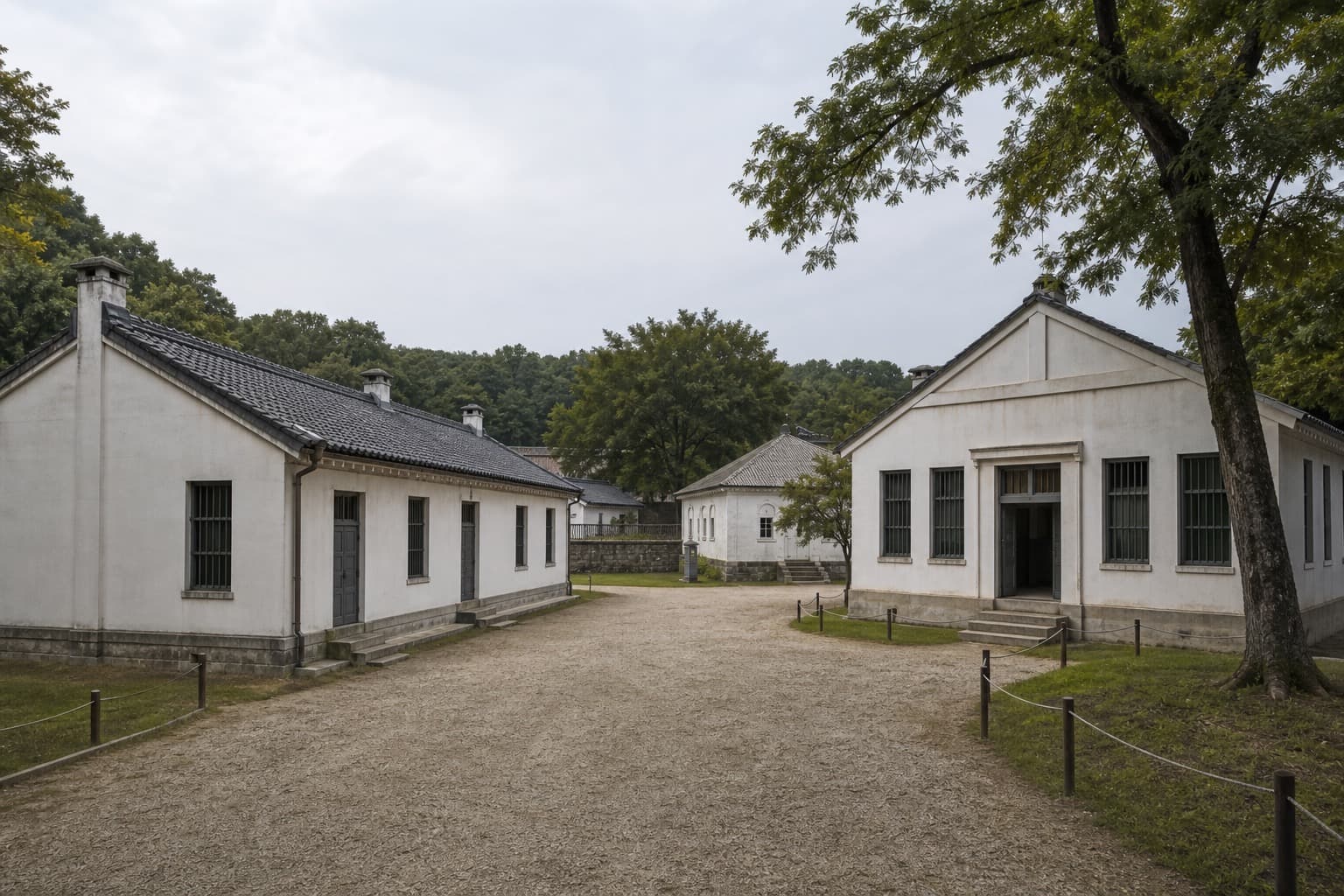
A park reconstructing the former Sangmudae guardhouse and courtroom to carry memories of detention and trials during May 18. It makes sense after the downtown square route.
“This place should be remembered by the size of small rooms, not big slogans.”
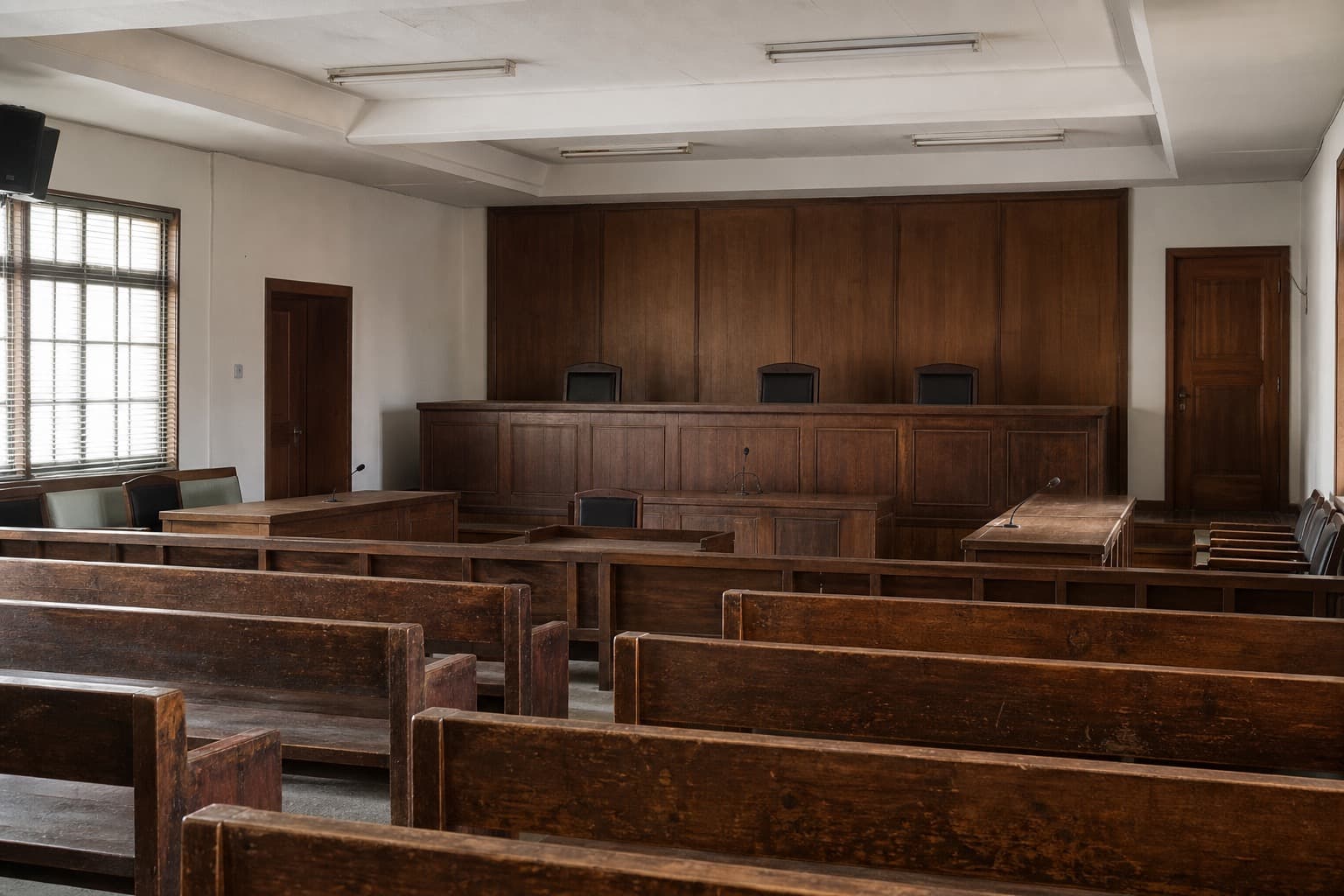
This is an activist who leads youth interpretation at May 18 Freedom Park. In university he volunteered to organize records, heard survivor testimony, and stayed with the work. “This place should be remembered by the size of small rooms, not big slogans,” he says, asking visitors to notice the reconstructed cell width, courtroom chairs, and old military desk first. Before each tour he checks the 12-minute video equipment and asks students to write before taking photos. He adds, “When there are no questions, silence is part of the interpretation.” Once, a school-trip student measured a room with his steps and fell quiet; later he sent a letter saying, “A textbook sentence became a wall.” That note became the activist's reason to continue.
Philosophy
What this place protects
Remembrance begins in specific spaces more than grand sentences. Keep attention on room width, chairs, and desks quietly.
Behind the Signature
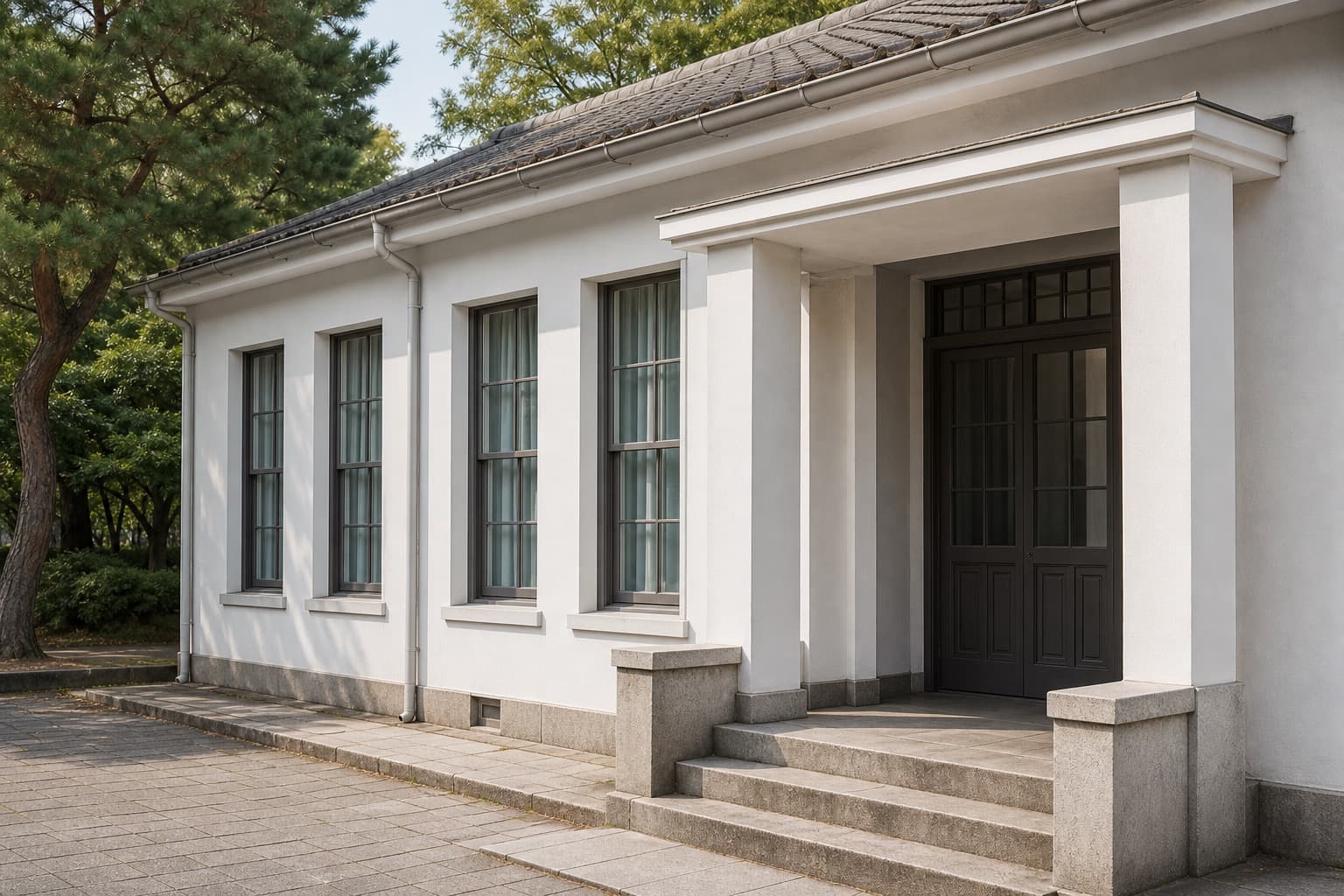
The reconstructed guardhouse and courtroom are the core. Walking the route lets detention, interrogation, and trial become a sequence felt in the body.
Gallery
Look around
Practical
Easy to pair with Sangmu-district plans. Context deepens with May 18 Democracy Square and the National Cemetery.
A free history site. Visit quietly and follow guidance on photos inside reconstructed spaces.
Memorial and education visits rise around May; in summer, check indoor interpretation times.