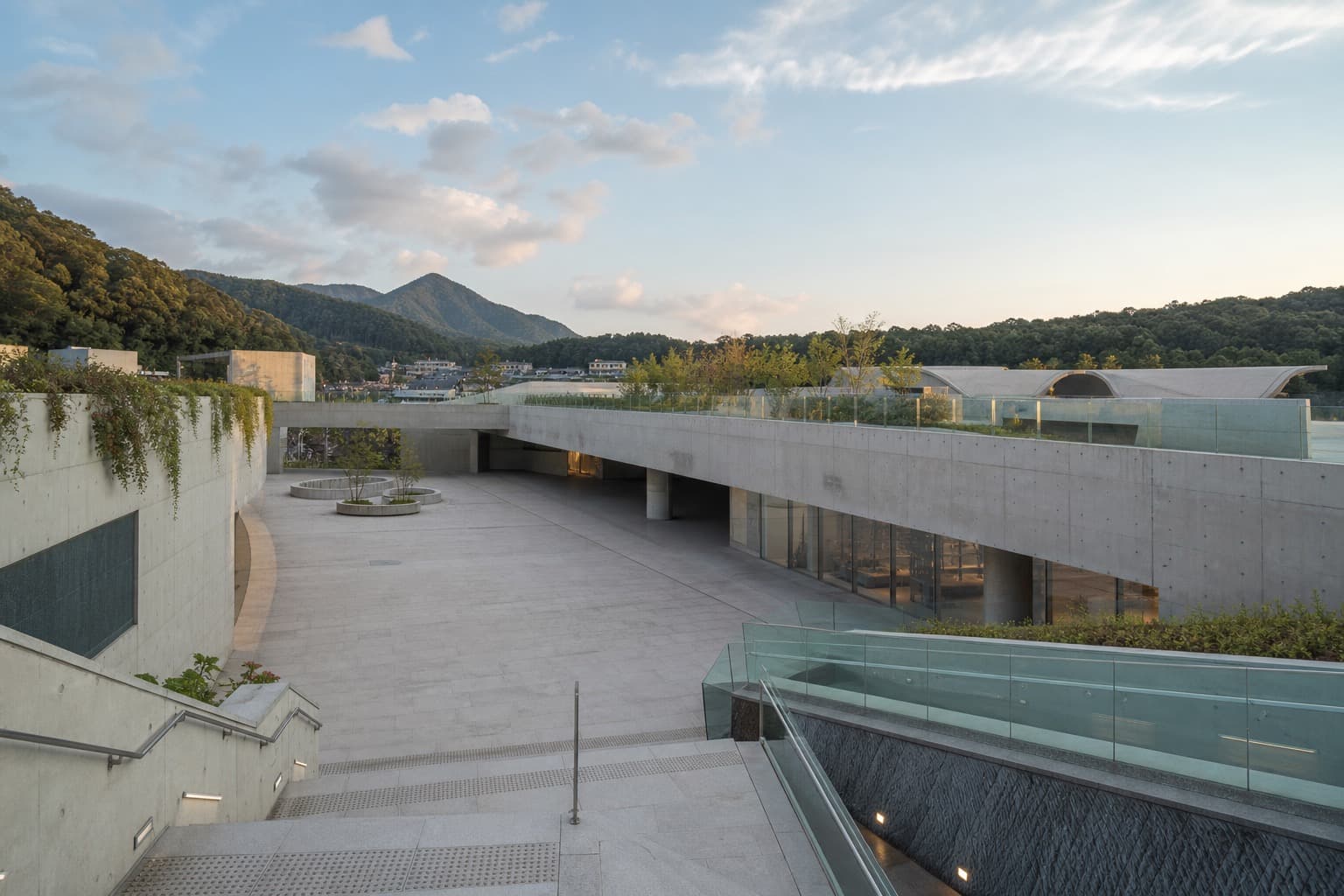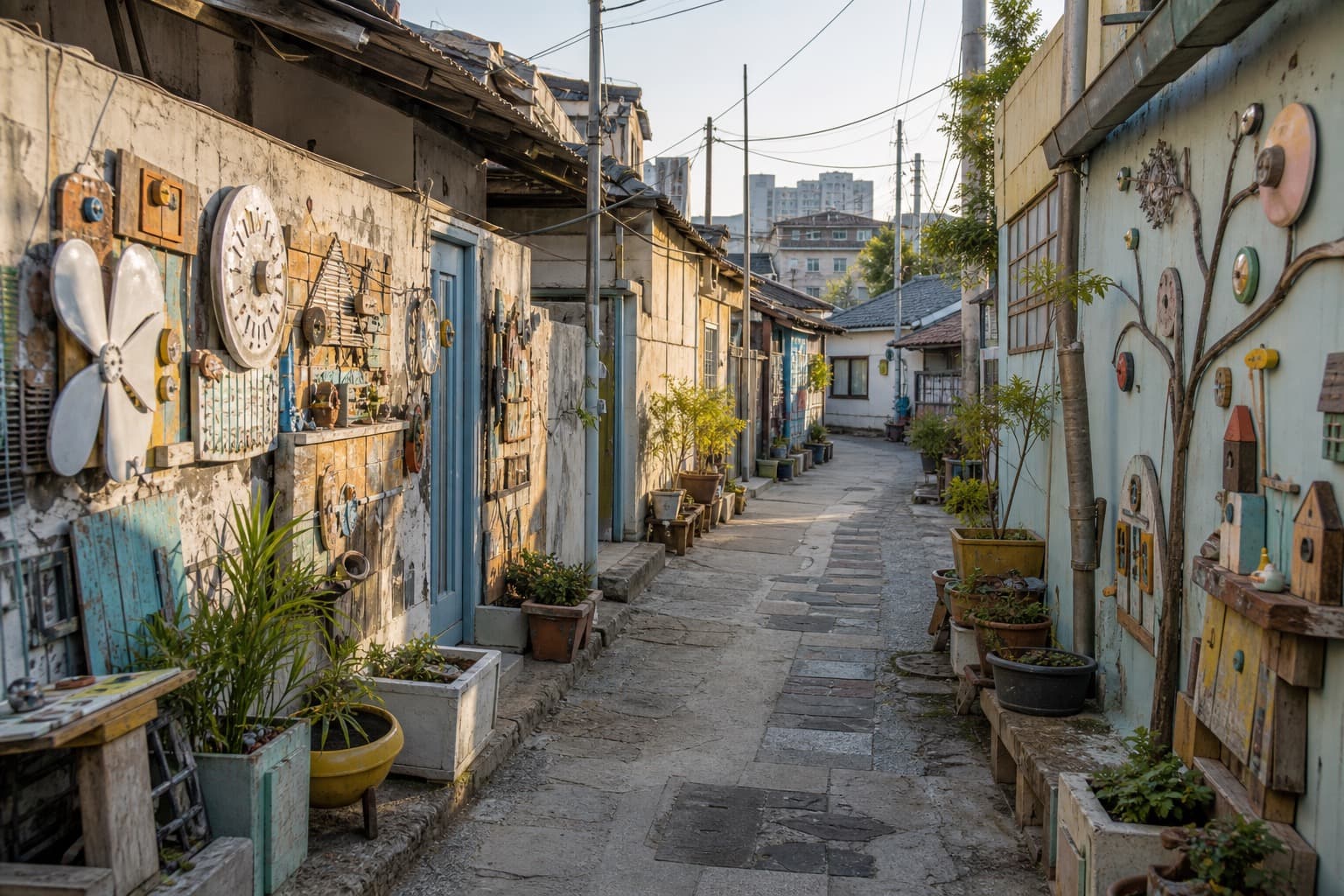
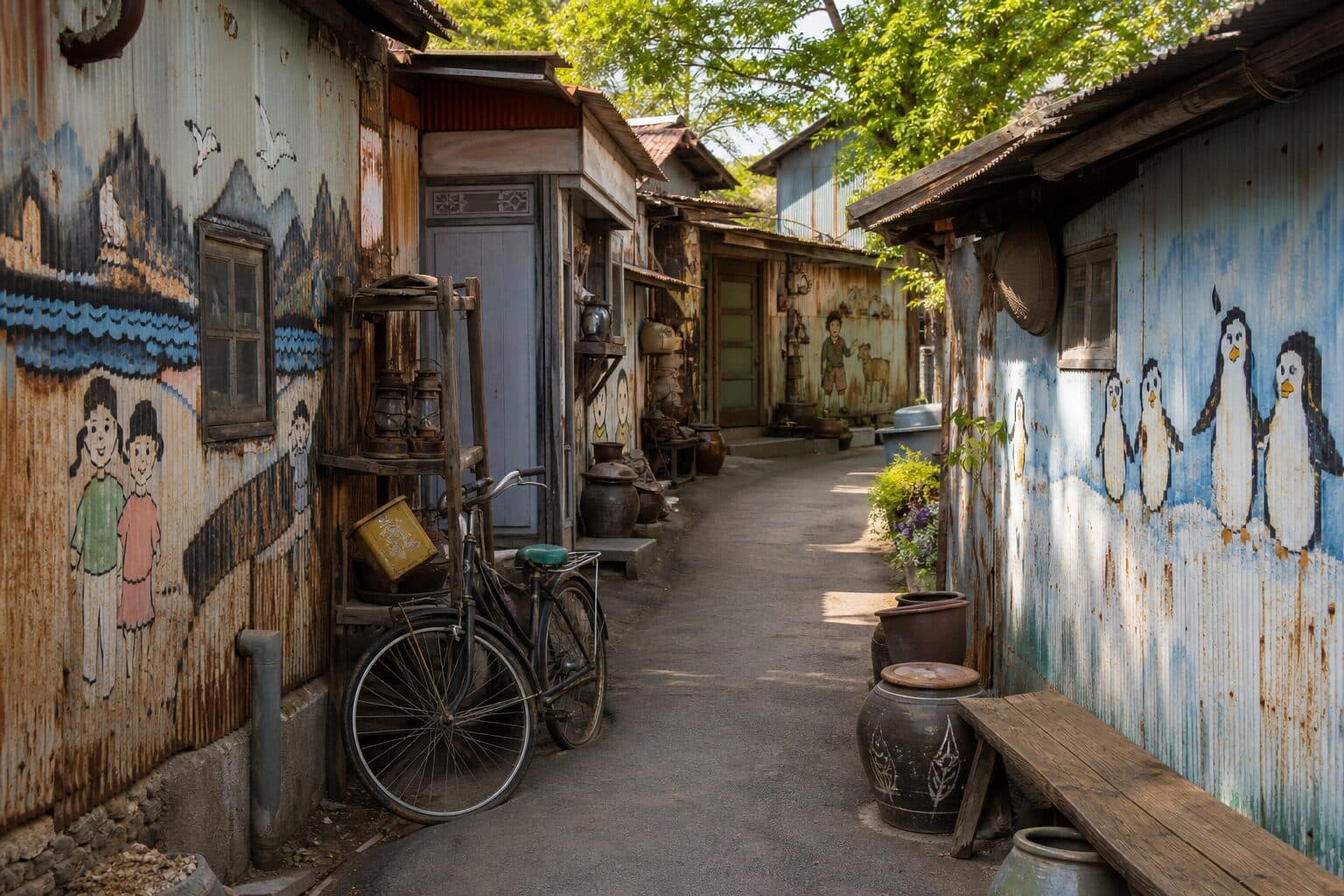
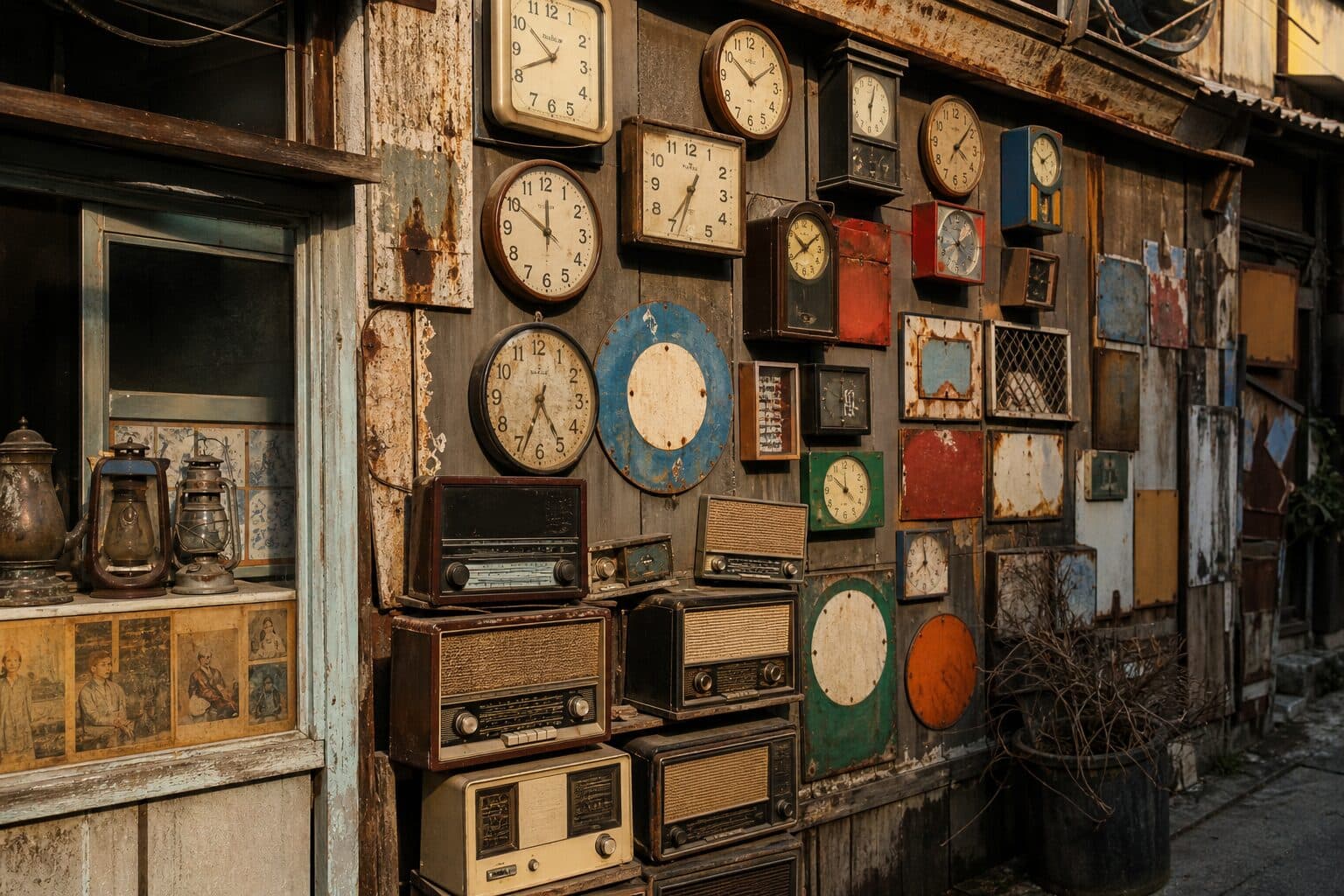
Yangnim-dong's heritage quarter, where missionary houses, brick churches, and hanok mingle. The Penguin Village mural lanes — decorated with salvaged objects — sit alongside, layering photos over history. Where time runs slowest in Gwangju.
“Before it's a sight, it's a lane where people live.”
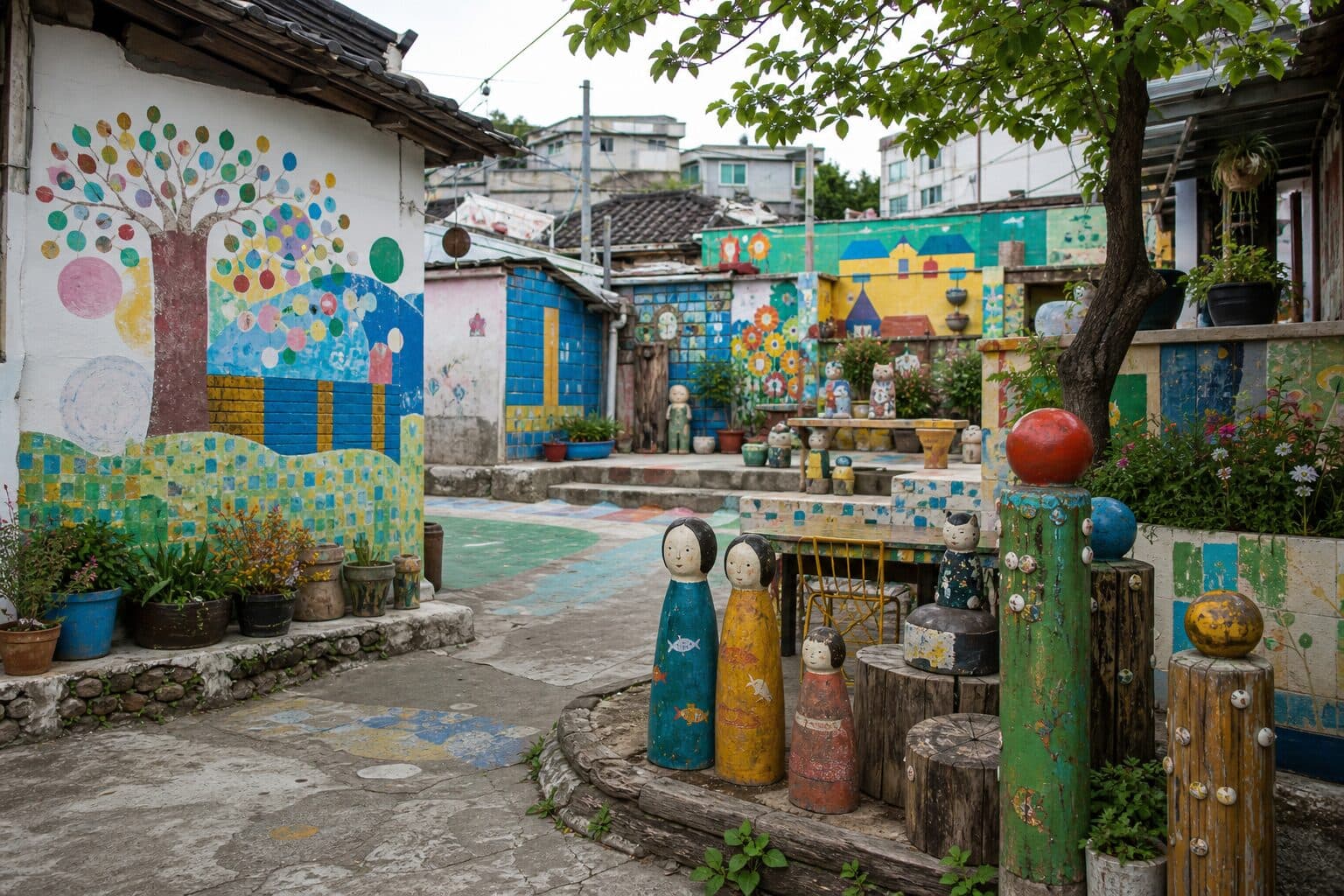
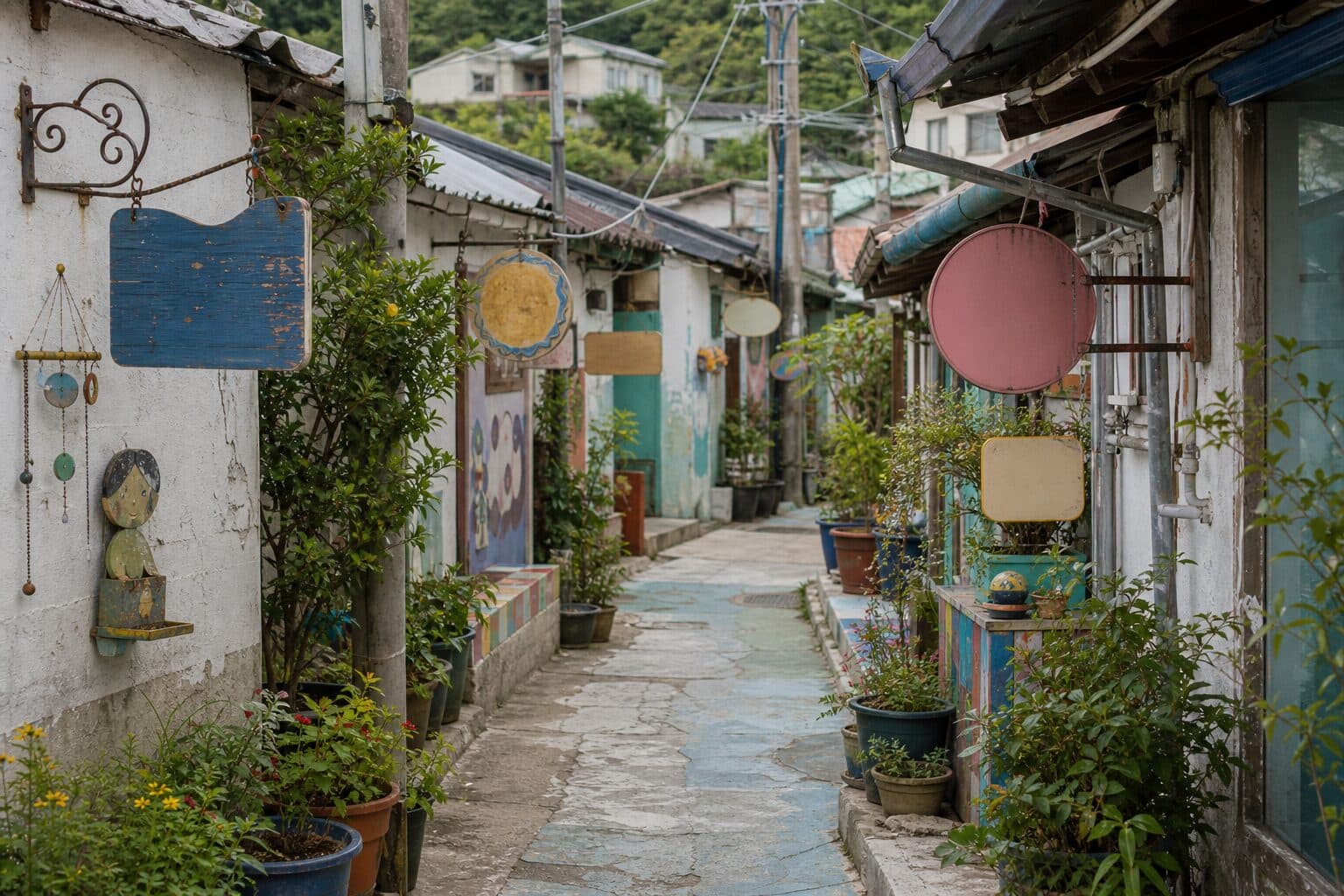
Yangnim-dong is where early-20th-century missionaries settled, leaving Western architecture and hanok side by side. Penguin Village began when an elderly resident hung salvaged objects in a yard; the lane spread into murals and installation art. A village guide explains, “Penguin comes from how the older residents, unsteady on their feet, waddle down the lanes.” The heritage street keeps the missionary cemetery, the Owen Memorial Hall, and the Lee Jang-woo House. People still live here, so photographing around their privacy is basic courtesy. It links well southwest from a downtown May 18 walk.
Philosophy
What this place protects
A neighborhood before an attraction. A lane where salvage became art. Photograph around residents' privacy.
Gallery
Look around
Practical
How to Order
- 1Start on the heritage street (missionary houses, churches).
- 2Continue into the Penguin Village mural lanes.
- 3Finish with coffee at a Yangnim-dong cafe.
15-min walk from May 18 Democracy Square. Residential — keep it quiet.
Open, free lanes. Only some indoor memorials are ticketed. Busy on weekend afternoons.
The lanes look best in spring blossom and autumn color.