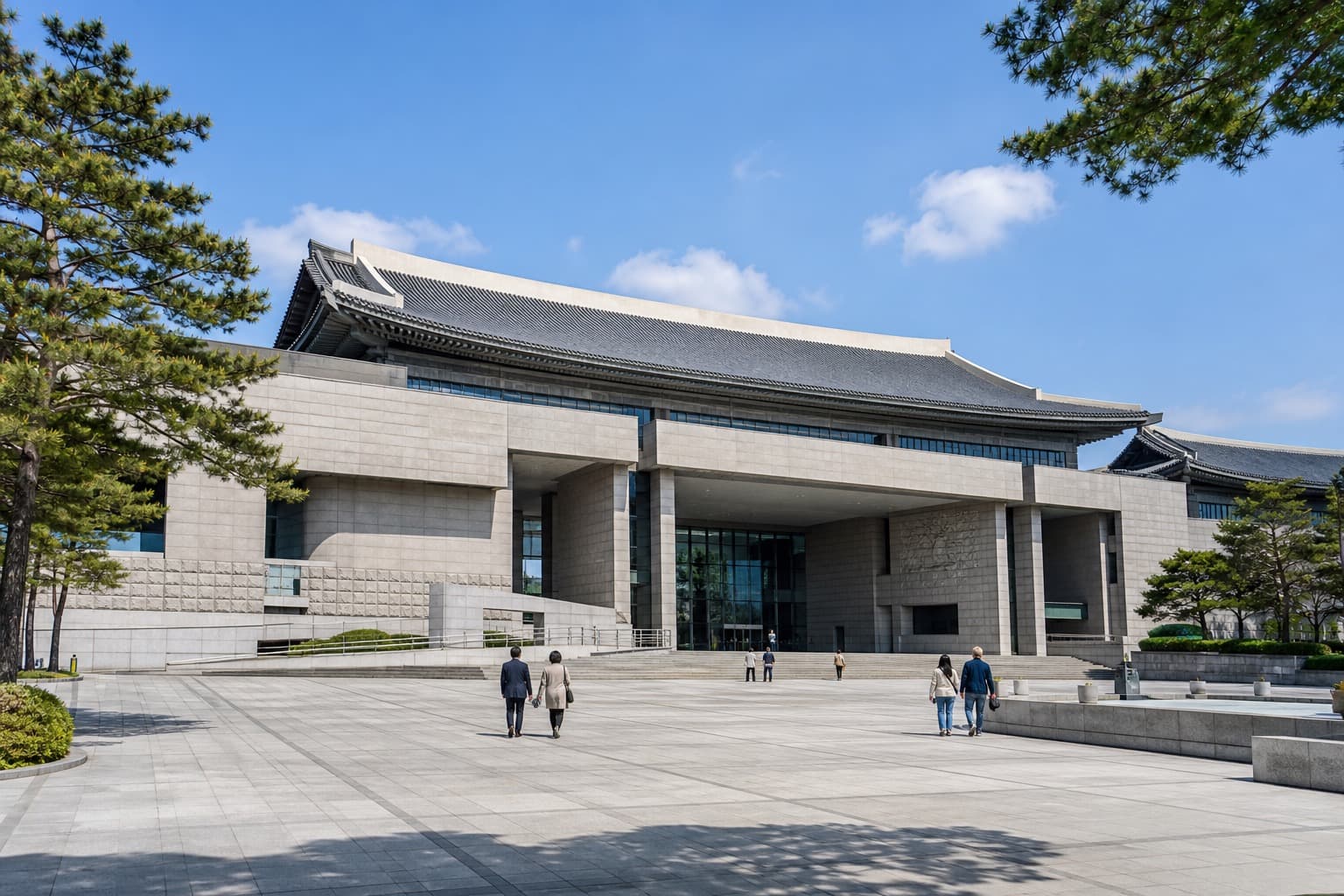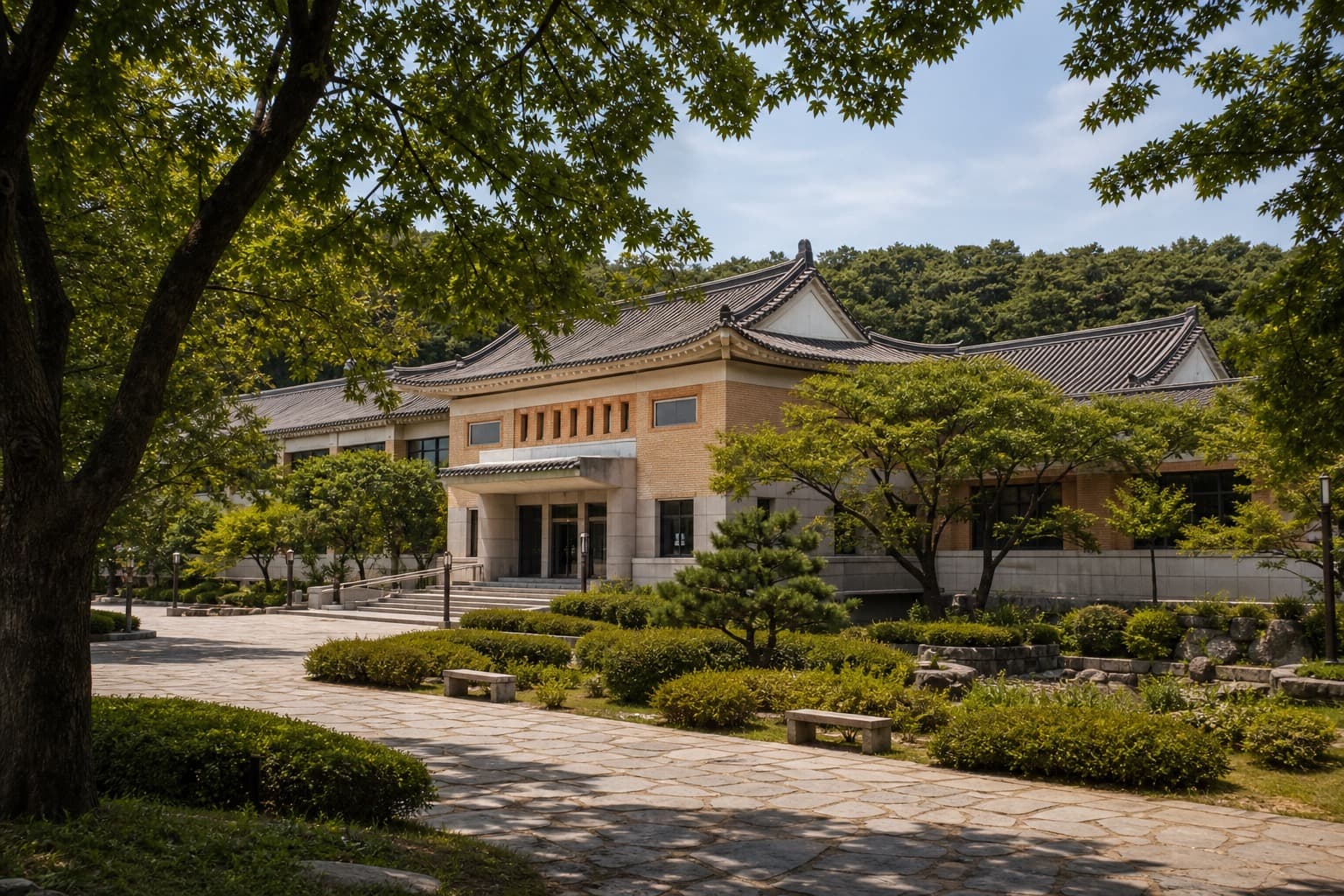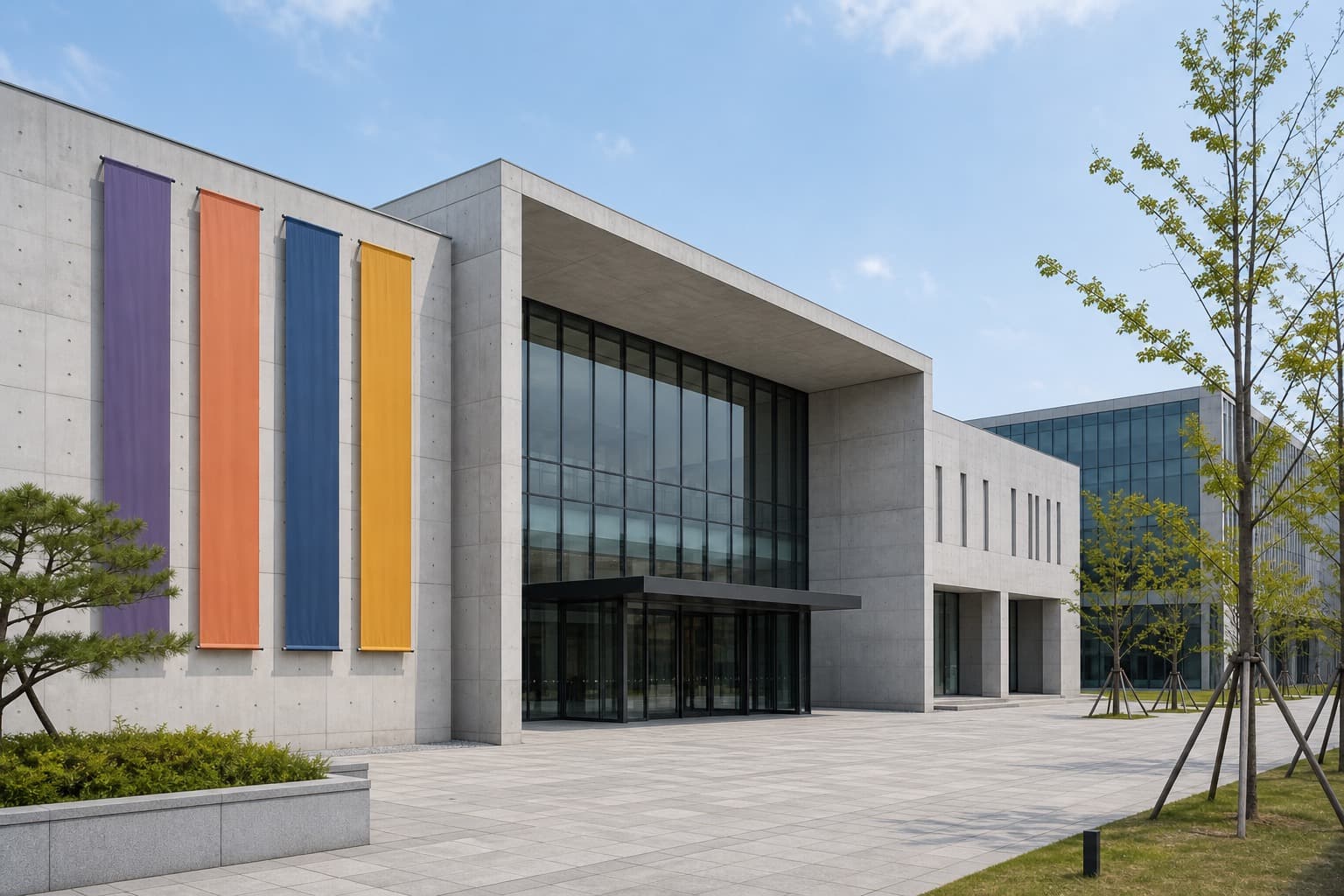
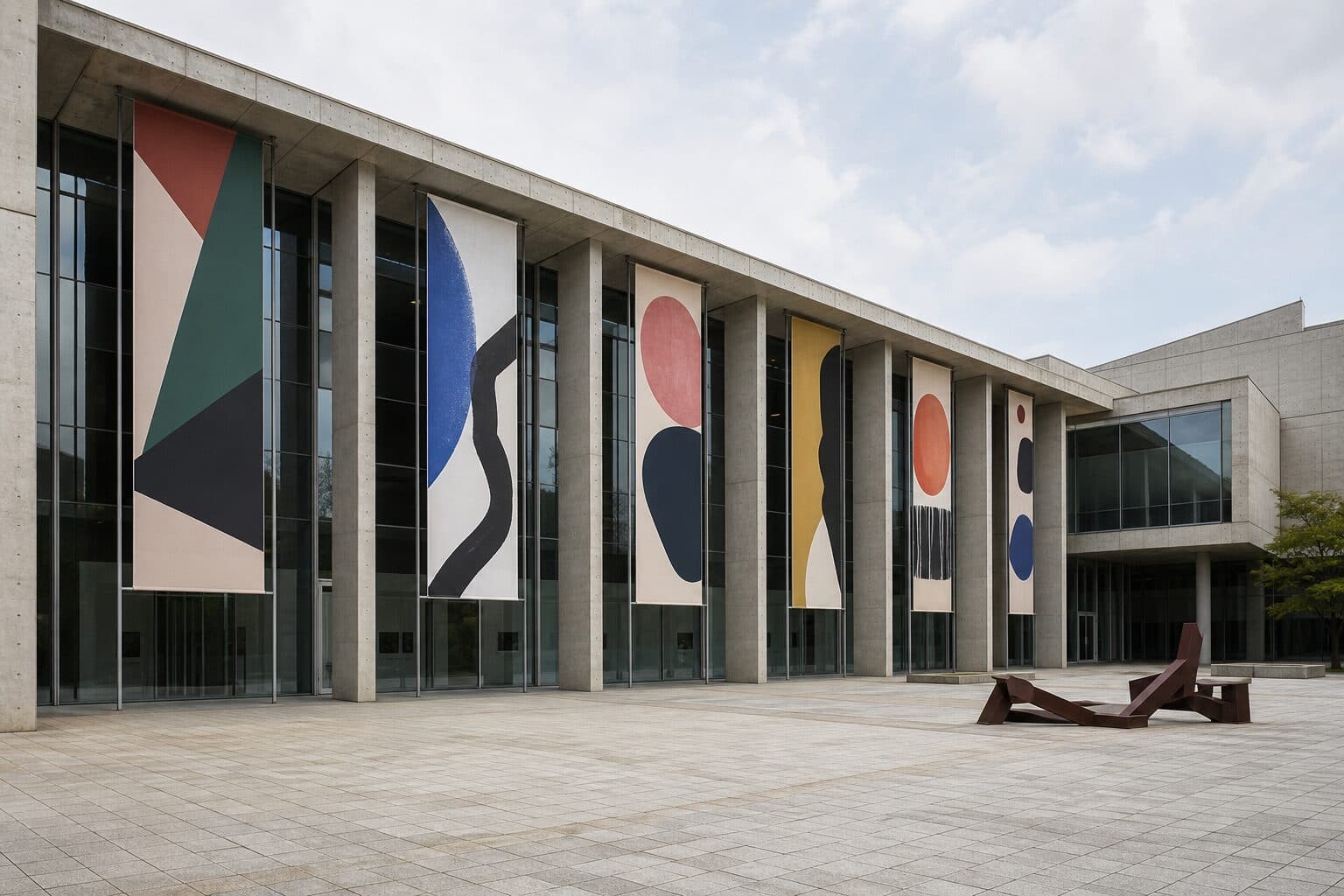
The central venue of the Gwangju Biennale. During biennale periods it carries major currents in global contemporary art; off-cycle, it anchors the Jungoe Park culture zone.
“The Biennale is less an exhibition than the city's way of asking a question every two years.”
This is a coordinator responsible for installation and visitor flow. He checked tickets as a volunteer during his first Biennale, then worked through eight installations on the exhibition team. “The Biennale is less an exhibition than the city's way of asking a question every two years,” he says, advising visitors to read the curatorial statement before individual labels. During installation he carries 20 pairs of white gloves and a laser level, sometimes debating a five-centimeter gap between works late into the night. He adds, “Standing long before a work you don't understand is also viewing.” One visitor complained that the show was difficult, then returned from the final room to the first piece; the coordinator remembers that return as the most Biennale-like way to look.
Philosophy
What this place protects
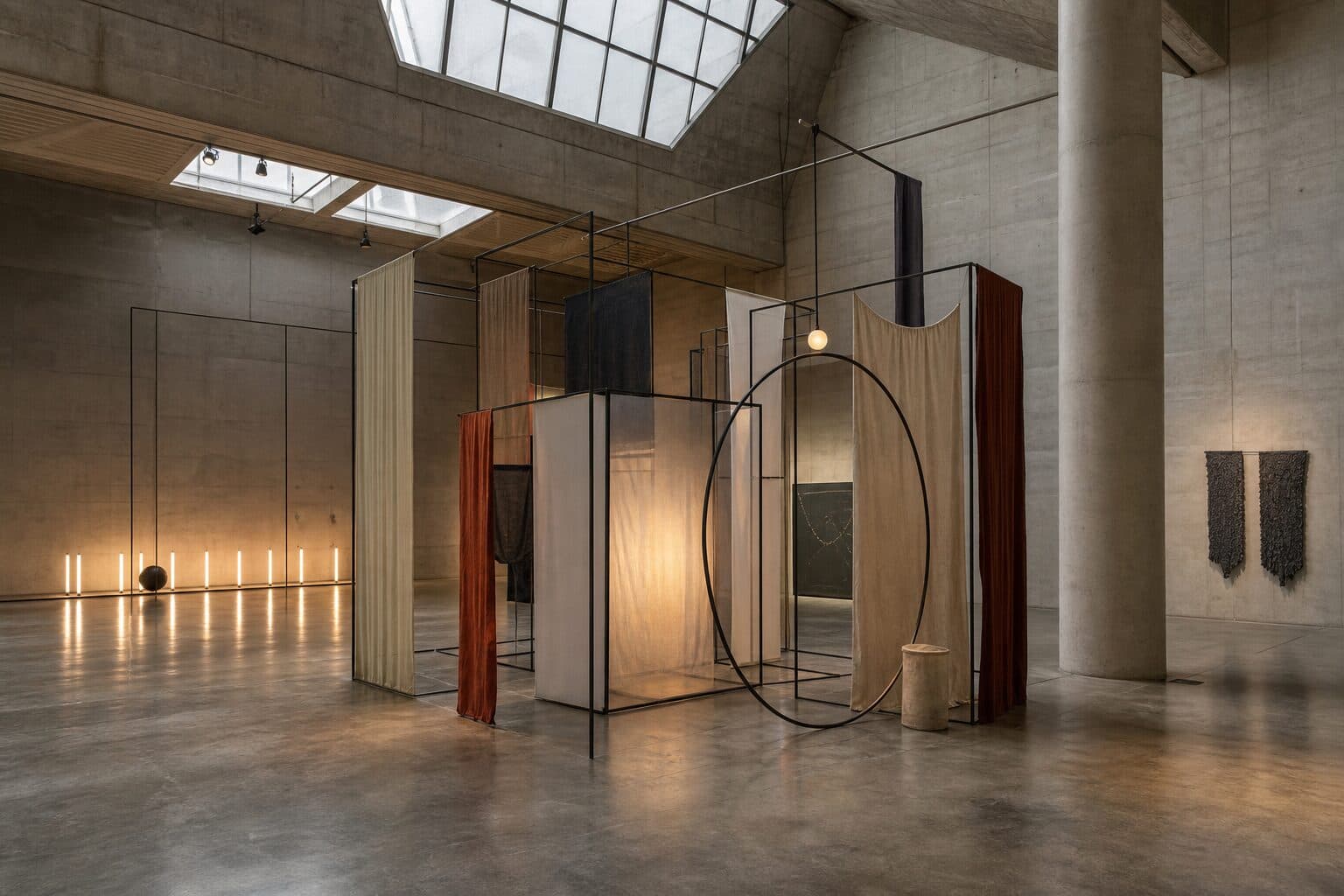
Questions come before understanding. The curatorial text, route, and space between works are all part of the viewing experience.
Behind the Signature
The signature experience is not decoding difficulty quickly, but staying with the collision between the city's history and contemporary art.
Gallery
Look around
Practical
For major shows, allow more than two hours. Same zone as the National Museum and History & Folk Museum.
Tickets and hours vary by event, so check the current schedule. English materials are often available.
Autumn of Biennale years is the peak; off-cycle, pair special shows with park walks.