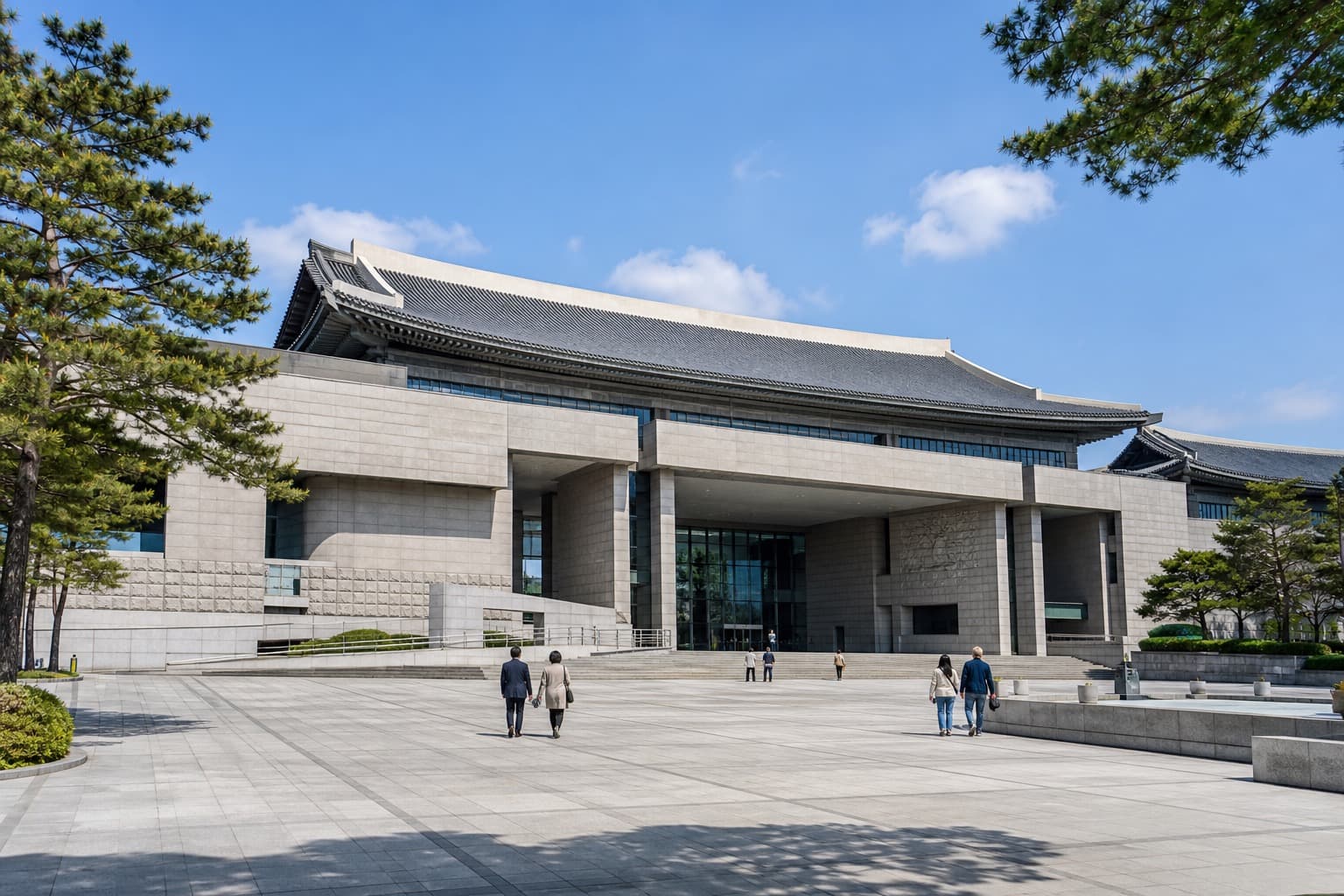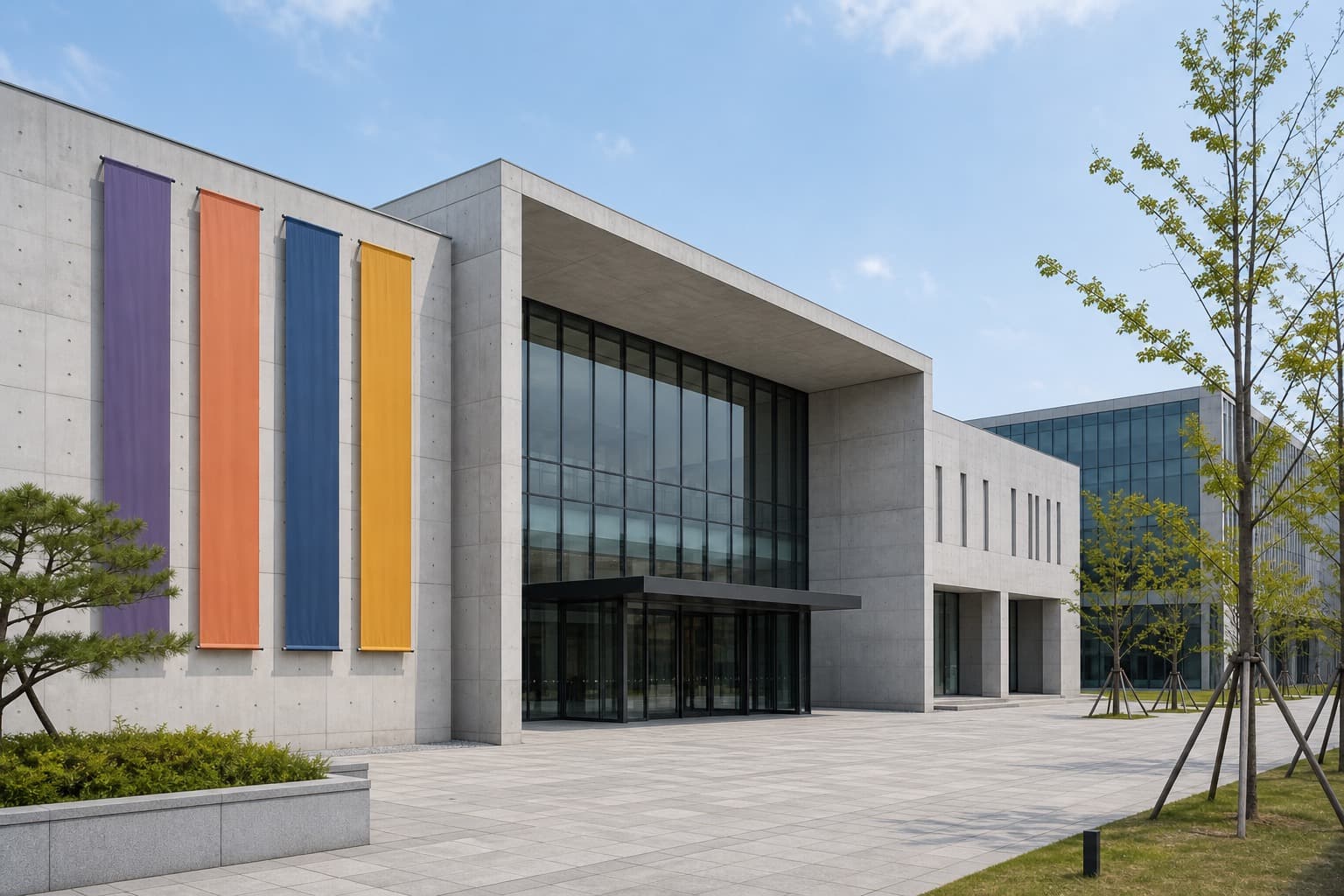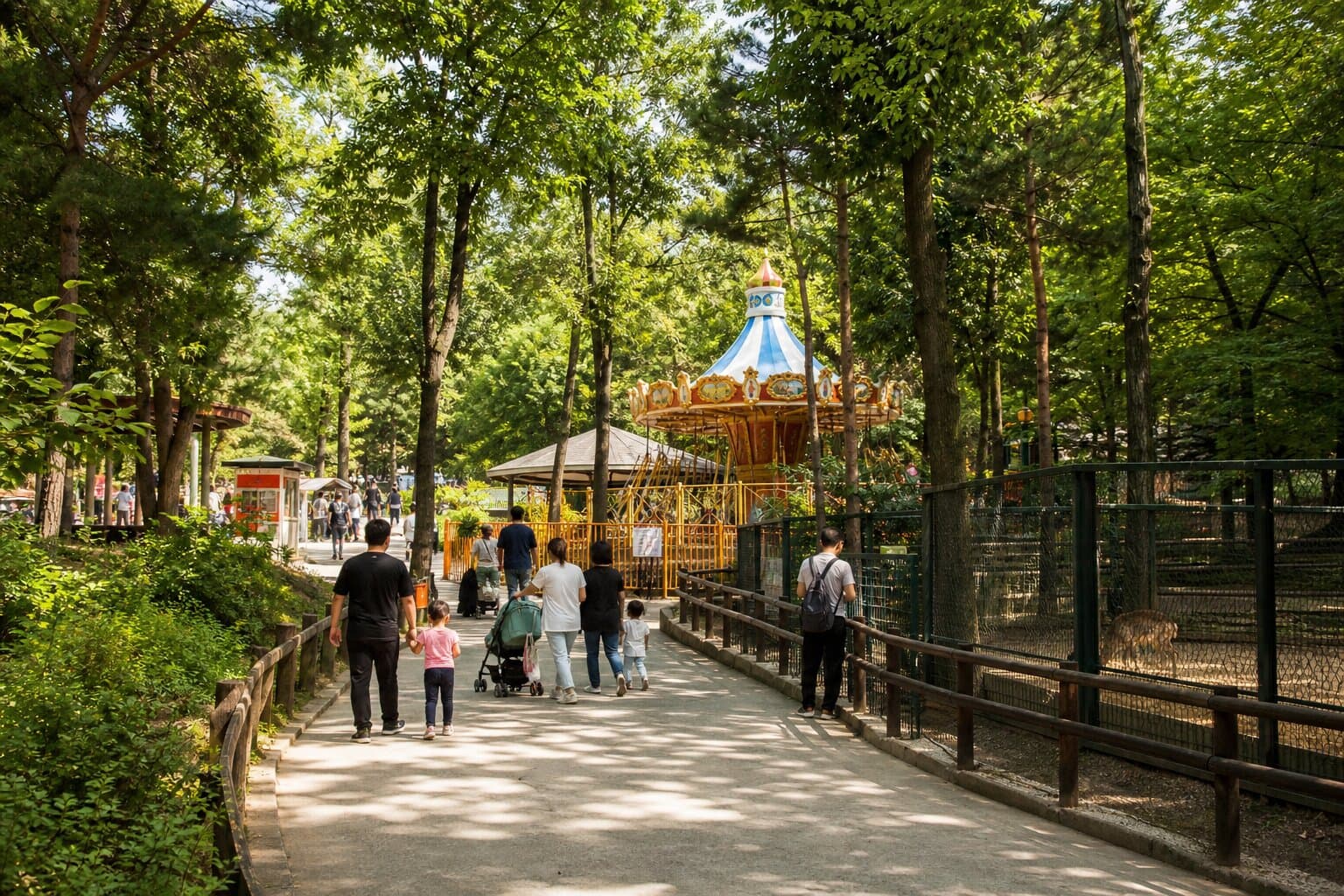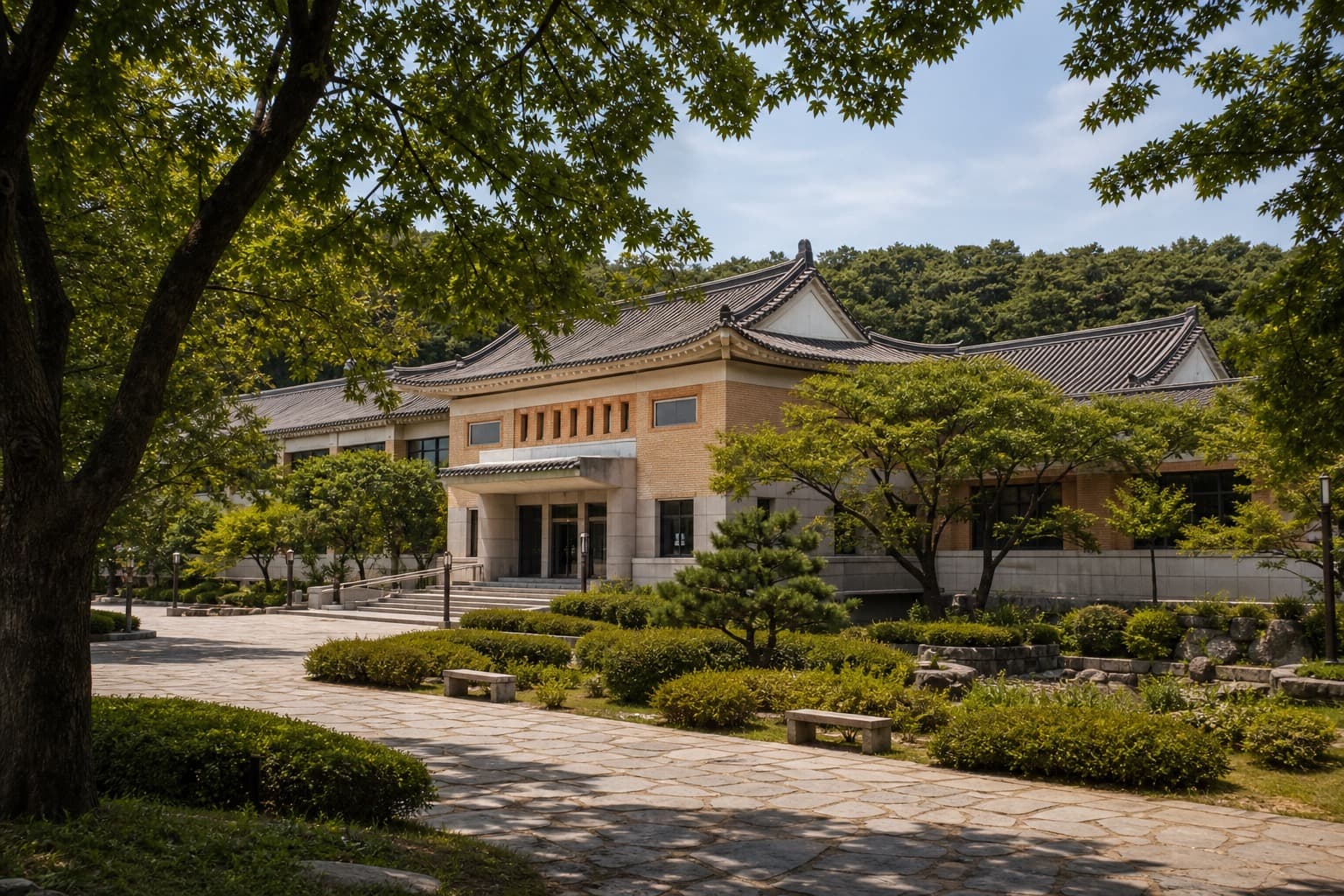
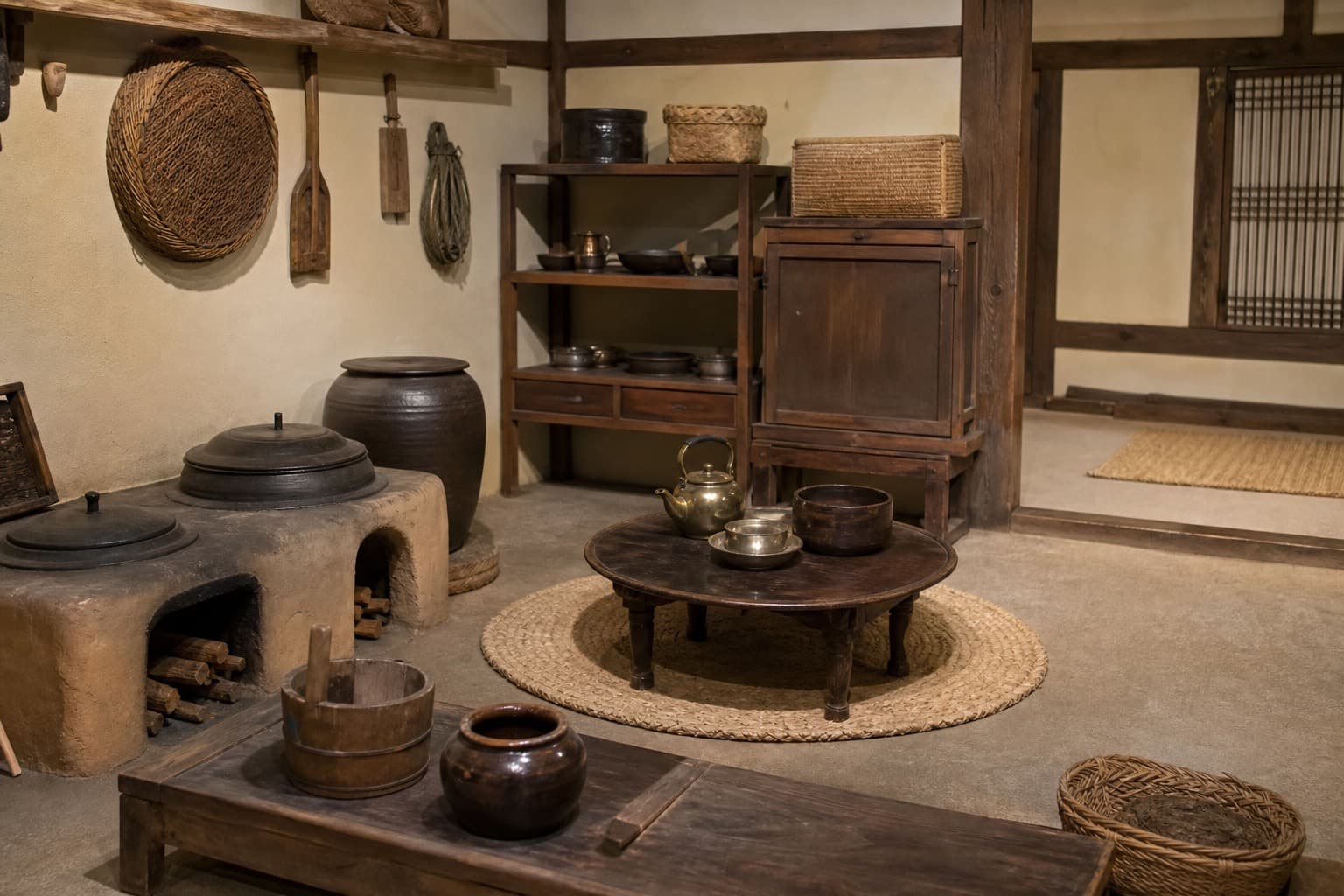
A Gwangju everyday-life museum inside Jungoe Park. Old classrooms, markets, and household objects reveal the city's time without grand gestures.
“Everyday-history exhibits begin with, ‘Oh, we had that at home too.’”
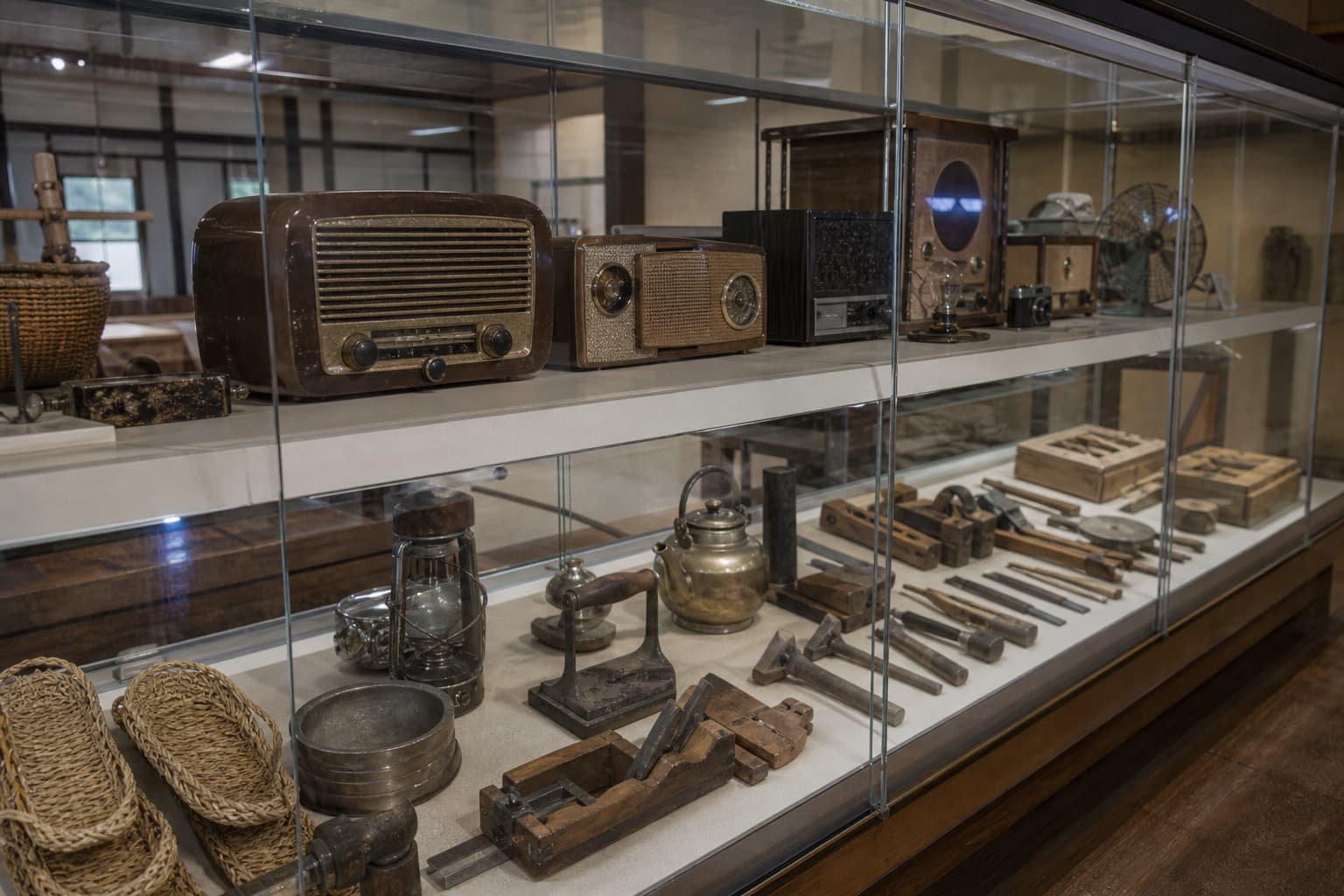
This is a curator responsible for organizing donated objects. At first he wanted to build exhibitions around major events, but sewing machines, school uniforms, and black-and-white photos brought in by citizens taught him the force of everyday history. “Everyday-history exhibits begin with, ‘Oh, we had that at home too,’” he says, checking each donor label by hand during rotations. The storage room holds nine similar kerosene stoves, yet their worn handles differ enough to carry separate lives. He adds, “Gwangju is a city of uprising, yes, but also of dining tables and alleys.” One elderly visitor stood silently before a radio for ten minutes, then later called to donate the antenna from his own home radio; staff remember it like a small legend.
Philosophy
What this place protects
Small objects hold memory beside major history. Donor names and marks of use should never be erased.
Behind the Signature
Modern-life exhibits are not just old objects arranged neatly. Read hand wear, repair marks, and family photos together to see Gwangju's everyday life.
Gallery
Look around
Practical
Close to the National Museum and Biennale Hall. Allow time for the park walk.
Everyday objects make it accessible even when some labels are Korean-first.
Family programs expand during school breaks; spring and autumn pair well with Jungoe Park walks.