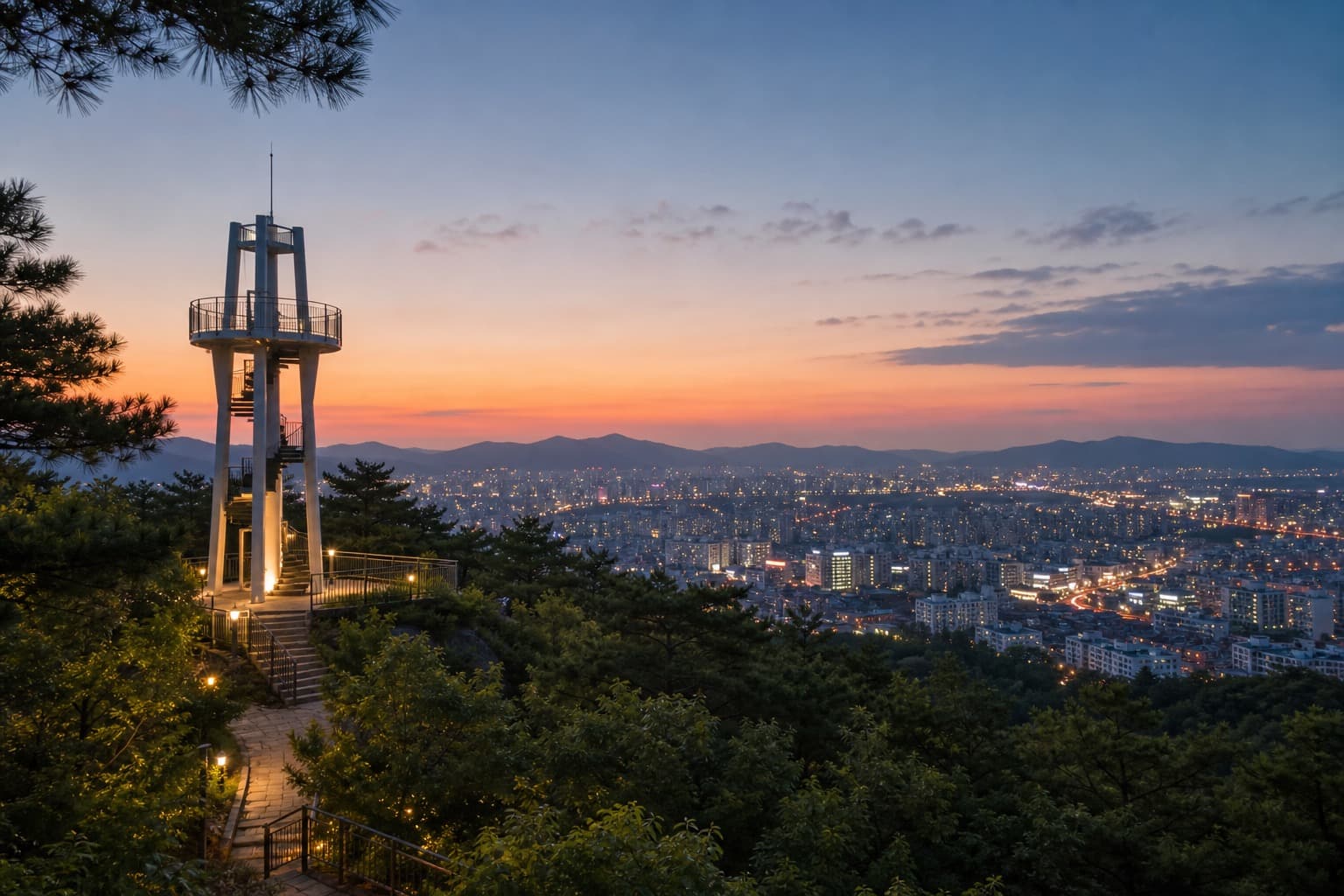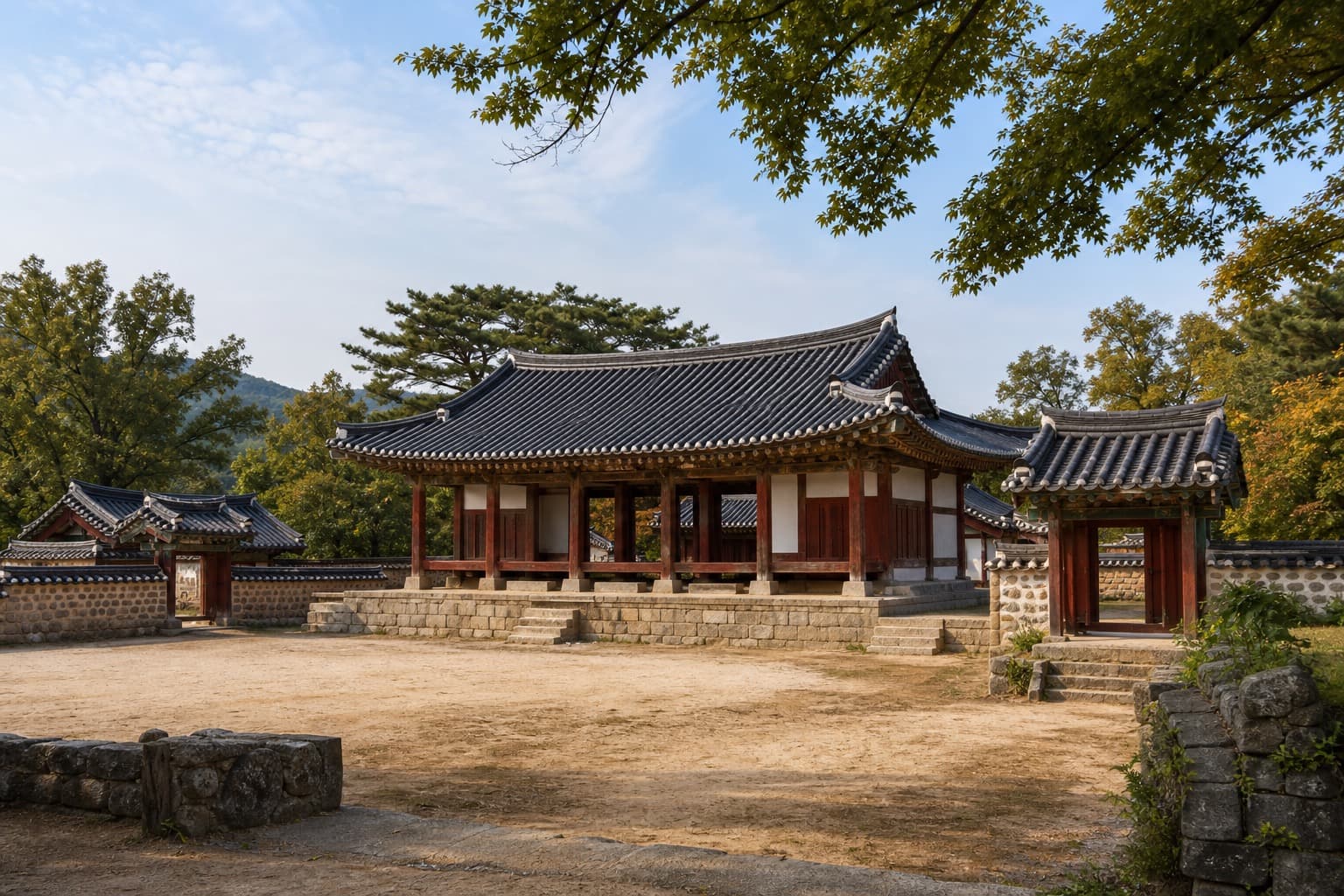
A Confucian academy and civic walking ground around Gwangju Park. In the city center, Joseon-era education traces sit beside old park scenery.
“A hyanggyo is not just an old building; it preserves the direction of study.”
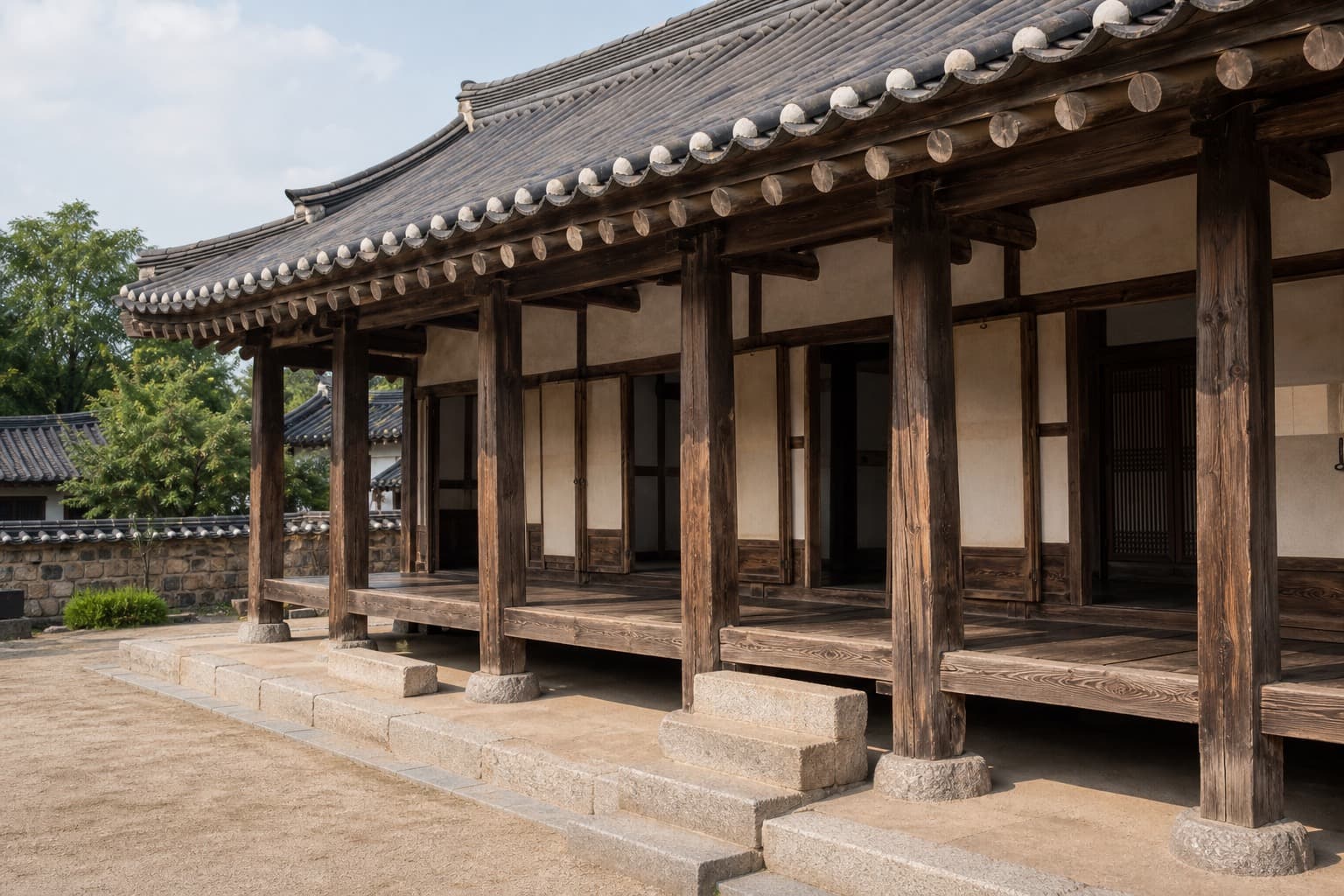
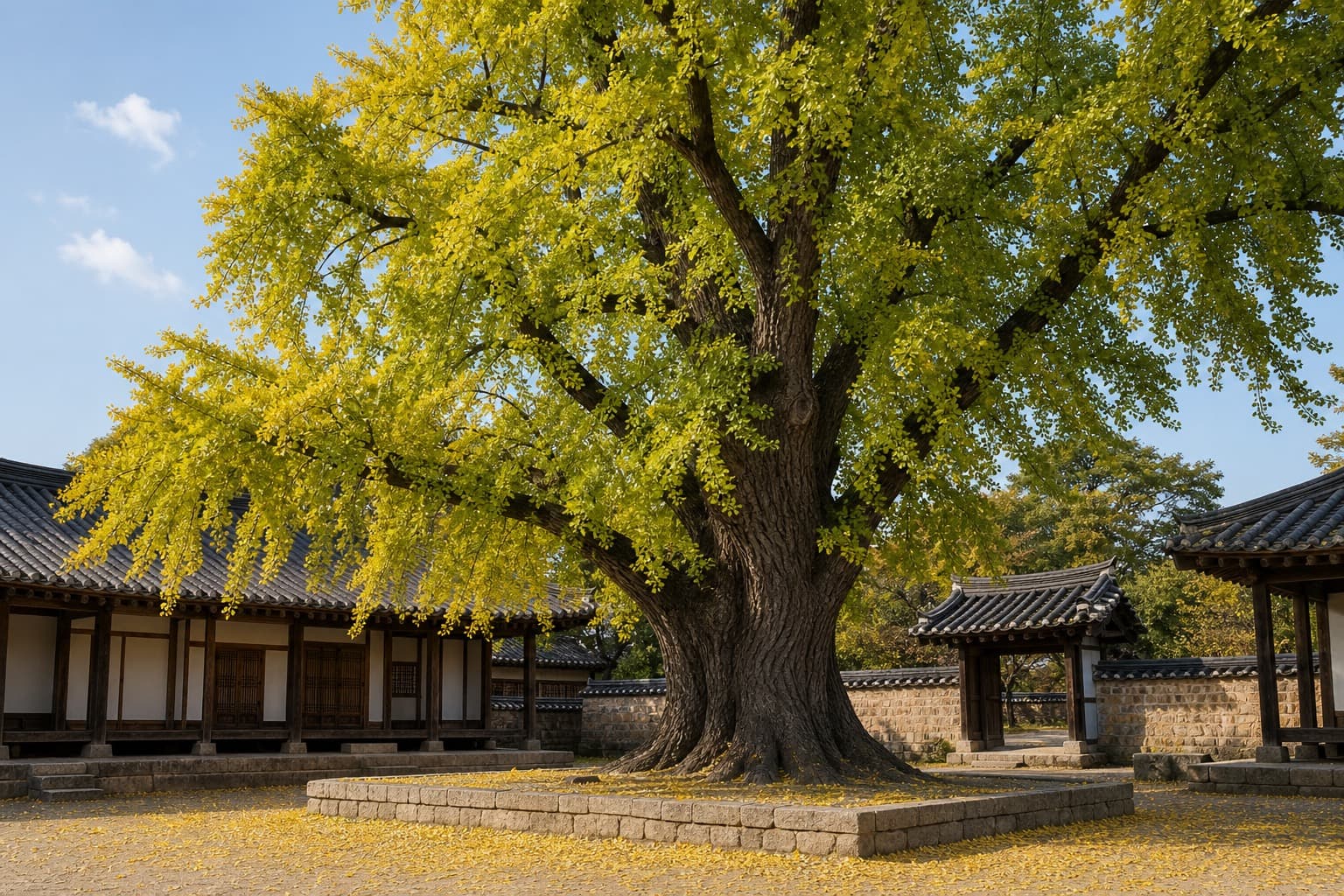
A cultural interpreter cares for Gwangju Hyanggyo. As a child he played in Gwangju Park, then learned the space anew as an adult while volunteering for Confucian rites. “A hyanggyo is not just an old building; it preserves the direction of study,” he says, recommending an order: Myeongnyundang hall, Daeseongjeon shrine, old ginkgo tree. Before spring rites he wipes the wooden floors himself, and on rainy days he checks the drains first. He adds, “Sitting on a park bench is also part of this place's history.” One student circled the hyanggyo before exams to calm down, later sending news of passing; since then, the guide shows test-takers the tree shade before the buildings.
Philosophy
What this place protects
Do not see only buildings; see study, rites, and park walks layered together. Quiet walking matters most.
Behind the Signature
The signature route moves from Myeongnyundang to Daeseongjeon. Walking from study space to ritual space reveals Joseon education's structure.
Gallery
Look around
Practical
Pairs on foot with Sajik Park and Yangnim-dong. Walk quietly inside the grounds.
A free historic site. Some areas may close during events.
Spring and autumn rites plus ginkgo color are highlights; in midsummer, use shaded paths.